Lymphatic Drainage – Clinic 88

Here’s a polished, patient‑friendly website article for Clinic 88, written in clean Australian English and designed to speak directly to people experiencing limb swelling after cancer treatment or other health conditions. It positions Jo and Hannah clearly as trusted, qualified lymphatic drainage therapists within the Canberra community.


Support for Limb Swelling and Lymphatic Concerns in Canberra

Professional Lymphatic Drainage Therapy at Clinic 88

Are you experiencing swelling in your arms or legs after cancer treatment?
Have you noticed heaviness, puffiness or fluid build‑up in a limb due to another health condition?
Do you feel like your body isn’t clearing fluid the way it should?

Limb swelling, whether from lymph node removal, radiation therapy, lymphoedema, venous insufficiency, chronic inflammation, or other medical conditions, can be uncomfortable, limiting and worrying. You’re not alone, and you don’t have to manage it without support.

Want to know more?

Jump on this link for more information – Lymph Drainage at Clinic 88


Gentle, Effective Lymphatic Drainage Therapy

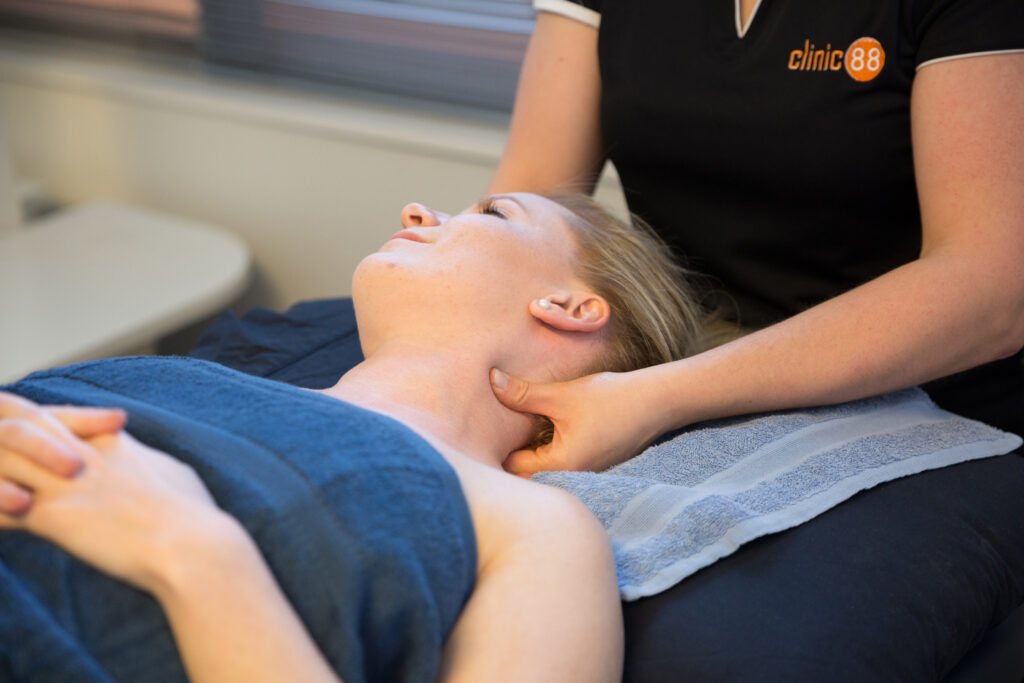
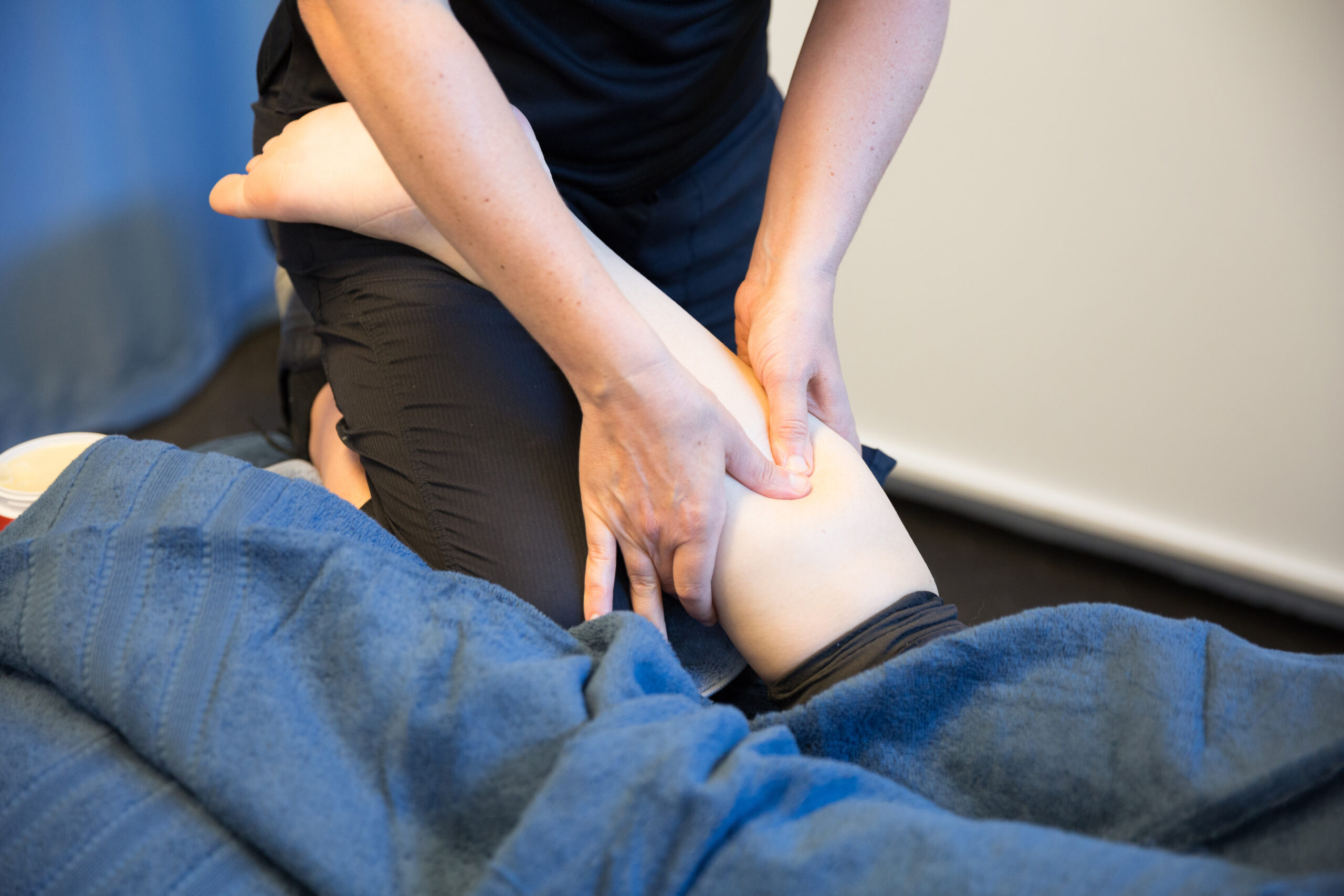
At Clinic 88, we offer Manual Lymphatic Drainage (MLD), a specialised, gentle technique designed to stimulate the lymphatic system and help move excess fluid out of affected areas.

MLD is often recommended for:

  • Post‑cancer treatment swelling
  • Lymphoedema (primary or secondary)
  • Post‑surgical inflammation
  • Chronic fluid retention
  • Swelling from injury or reduced mobility
  • Conditions that cause lymph pooling in the limbs

This is not a deep or forceful massage. It’s a precise, rhythmic technique that supports your body’s natural drainage pathways and helps reduce discomfort.


Meet Jo and Hannah – Your Qualified Lymphatic Drainage Therapists

Clinic 88 is proud to have Jo and Hannah, two highly trained and fully qualified Lymphatic Drainage Therapists, providing care to the Canberra community.

They bring:

  • Advanced training in recognised lymphatic drainage methods
  • Experience working with post‑cancer and medically complex clients
  • A gentle, supportive approach tailored to your comfort and safety
  • A clinical environment where your health needs are understood and respected

Whether you’re newly experiencing swelling or managing a long‑term condition, Jo and Hannah offer evidence‑informed, compassionate care.


Supporting the Canberra Community

With convenient locations and a long history of trusted clinical service, Clinic 88 is committed to helping Canberrans feel lighter, more comfortable and more confident in their recovery.

If you’re dealing with limb swelling, no matter the cause, our team is here to help you understand your options and support your well-being.


Book Your Lymphatic Drainage Appointment

If swelling is affecting your comfort, mobility or confidence, early treatment can make a meaningful difference.

Book an appointment with Jo or Hannah at Clinic 88 and take the next step toward relief and recovery.

Book with Jo Book

Book Hannah Book

Canberra Running Injuries


Running Injuries in Canberra

Trusted Experts at Clinic 88 Helping Runners Stay Strong, Pain‑Free and Performing at Their Best

Running is one of Canberra’s most popular activities, thanks to our beautiful trails, lake loops and active community. But with high participation comes a high rate of running injuries, from Achilles pain to shin splints, knee issues and overuse strains.

At Clinic 88, we’ve been helping Canberrans overcome running injuries for more than 20 years. Our team includes some of the most experienced and respected practitioners in the region, including:

  • James Barker – widely trusted across Canberra for his deep understanding of running biomechanics and his particular fascination with Achilles injuries
  • Brad Hiskins – with 15 years travelling internationally with the Australian Triathlon Team to World Championships, bringing elite‑level sports knowledge to everyday runners

Whether you’re a recreational runner, a Parkrun regular, or training for a marathon or triathlon, Clinic 88 provides expert assessment, treatment and rehabilitation to keep you moving.


Common Running Injuries We Treat

Running places repetitive load on the body, and even small imbalances can lead to pain or injury. At Clinic 88, we regularly help runners with:

  • Achilles tendinopathy
  • Plantar fasciitis
  • Shin splints (medial tibial stress syndrome)
  • Knee pain (patellofemoral pain, ITB issues)
  • Calf strains
  • Hamstring strains
  • Hip and glute pain
  • Lower back pain related to running
  • Overuse injuries
  • Biomechanical running issues

If you’ve been searching for running injury treatment Canberra, Achilles pain Canberra, or sports massage for runners, Clinic 88 has the expertise you need.


Why Runners Choose Clinic 88

✔ Trusted in Canberra for Over 20 Years

Clinic 88 has built a reputation for clinical excellence, professional care and long‑term results.

✔ Experienced, highly trained practitioners

Our team includes therapists with advanced training in sports injuries, biomechanics and running‑specific rehabilitation.

✔ Collaborative, evidence‑based care

We work closely with GPs, sports doctors, podiatrists and other health professionals to ensure you receive the right treatment at the right time.

✔ Convenient Canberra locations

  • Belconnen – ideal for North Canberra and Gungahlin runners
  • Woden – convenient for South Canberra and Weston Creek
  • Deakin – perfect for Barton, Forrest and the Parliamentary zone

✔ Tailored treatment for every runner

No two runners are the same. Your treatment plan is customised to your body, your training load and your goals.


How Clinic 88 Helps With Running Injuries

Our approach includes:

  • Detailed assessment of running biomechanics
  • Soft‑tissue treatment and sports massage
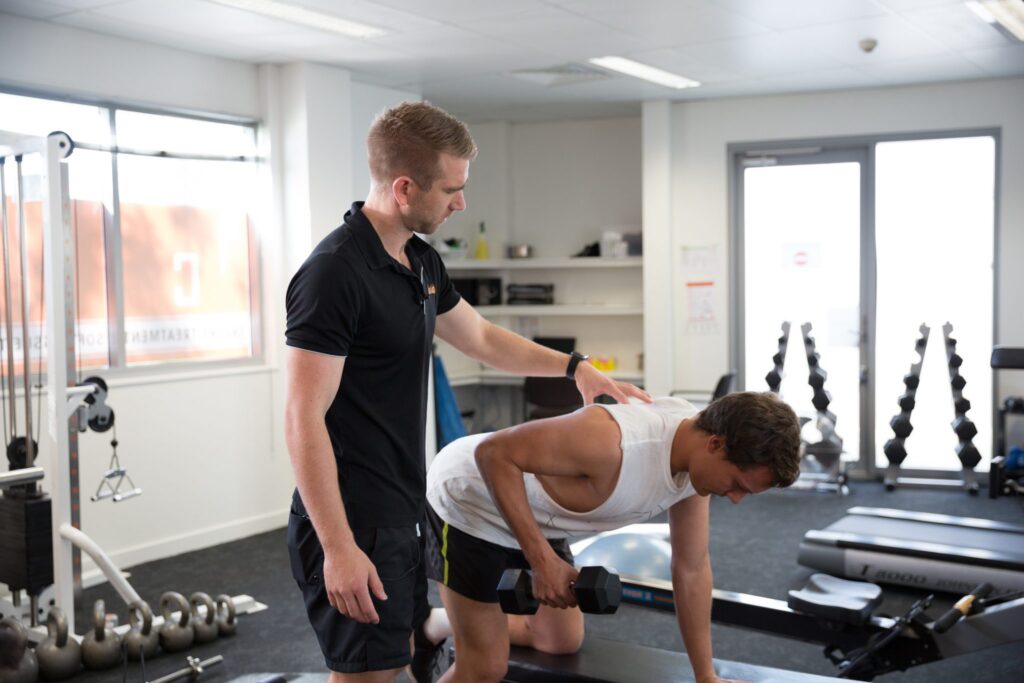
  • Strength and conditioning programs
  • Load management strategies
  • Return‑to‑running plans
  • Education on footwear, technique and training habits
  • Collaboration with podiatrists and sports doctors when needed

Whether you’re dealing with a new injury or a long‑standing issue, we help you recover properly and reduce the risk of recurrence.


Ready to Run Pain‑Free?

Running injuries don’t have to stop you. With the right assessment and treatment, most runners can return to training stronger than before.

Jaw Pain, TMJ Pain Canberra


TMJ Pain in Canberra

Understanding Jaw Pain & How Clinic 88 Can Help

If you’re experiencing TMJ pain, jaw pain, jaw clicking, or bruxism, you’re not alone. TMJ dysfunction is one of the most common yet misunderstood causes of facial pain, headaches, neck tension and jaw discomfort. At Clinic 88, we’ve been helping Canberrans manage TMJ related issues for more than 20 years and one of our most experienced practitioners, Wade, has dedicated years to studying and treating this complex condition.

👉 Learn more about jaw clenching and bruxism here:
https://clinic88.com.au/articles/bruxism-jaw-clenching/


What Is TMJ Pain?

TMJ stands for temporomandibular joint the hinge that connects your jaw to your skull. When this joint or the surrounding muscles become irritated, tight or dysfunctional, a range of symptoms can appear.

Common TMJ Symptoms

  • Jaw pain or tightness
  • Clicking, popping or grinding in the jaw
  • Headaches or migraines
  • Ear pain or pressure
  • Facial tension
  • Difficulty opening or closing the mouth
  • Teeth grinding (bruxism)
  • Neck and shoulder tension
  • Locking of the jaw

TMJ pain can be caused by stress, posture, clenching, dental issues, muscle imbalance, injury or even sleep disturbances.


Why Wade Is One of Canberra’s Most Trusted TMJ Practitioners

Over many years, Wade has developed a deep, specialised understanding of TMJ dysfunction. His commitment goes far beyond standard training:

✔ Extensive self‑education

Wade has spent years studying TMJ anatomy, biomechanics, muscle patterns and treatment approaches.

✔ Collaboration with Canberra’s dental community

He has personally visited and consulted with dentists, orthodontists and other health professionals across Canberra to build a strong referral network.

✔ A multidisciplinary approach

TMJ pain often requires more than one practitioner. Wade works collaboratively with dentists, GPs, physiotherapists and other specialists to ensure clients receive comprehensive care.

✔ Experience with complex cases

From chronic jaw clenching to post dental procedure pain, Wade has helped hundreds of clients reduce symptoms and regain comfort.


How Wade Helps Treat TMJ Pain at Clinic 88

Wade uses a combination of hands‑on techniques, education and personalised strategies to reduce pain and restore function.

✔ Soft‑tissue treatment for jaw muscles

Targeting the masseter, temporalis, pterygoids and surrounding structures.

✔ Postural and movement assessment

Identifying habits that contribute to jaw tension.

✔ Trigger point therapy

Reducing referred pain into the jaw, head and neck.

✔ Intra‑oral techniques (if appropriate)

Gentle, precise work inside the mouth to release deep jaw muscles.

✔ Bruxism management strategies

Helping reduce clenching and grinding patterns.

✔ Collaboration with dentists

For splints, bite assessments or further investigation when needed.

✔ Home exercises and self‑management

Simple, effective techniques to maintain progress between sessions.


Why Choose Clinic 88 for TMJ Pain in Canberra?

  • Trusted for more than 20 years
  • Highly experienced therapists with advanced TMJ knowledge
  • Collaborative care with Canberra dentists and specialists
  • Convenient locations in Belconnen, Woden and Deakin
  • Evidence‑informed treatment tailored to your needs
  • Professional, clinical environment

If you’ve been searching for TMJ treatment Canberra, jaw pain relief Canberra, or TMJ massage near me, Clinic 88 offers the expertise and care you can rely on.


Start Your TMJ Recovery Today

TMJ pain doesn’t have to control your life. With the right assessment and treatment, most people experience significant relief.

👉 Learn more about jaw clenching and TMJ pain here:
https://clinic88.com.au/articles/bruxism-jaw-clenching/

Exercise Physiology Canberra


Exercise Physiology in Canberra

Trusted for Over 20 Years – Clinic 88 Helps You Move Better, Recover Faster and Live Stronger

If you’re looking for Exercise Physiology in Canberra, Clinic 88 has been one of the region’s most trusted providers for more than 20 years. Our Accredited Exercise Physiologists (AEPs) help people of all ages improve strength, mobility, chronic health conditions and overall wellbeing through safe, evidence‑based movement programs.

With convenient locations in Belconnen, Woden and Deakin, Clinic 88 makes it easy to access high quality Exercise Physiology no matter where you live or work in Canberra.

👉 Learn more or book online: https://clinic88.com.au/exercise-physiology-2/


What Is Exercise Physiology?

Exercise Physiology (EP) is a clinical, evidence‑based approach to improving health through targeted exercise prescription. Accredited Exercise Physiologists specialise in designing safe, personalised programs for people with:

  • Chronic pain
  • Diabetes
  • Cardiovascular disease
  • Arthritis and joint conditions
  • Neurological conditions
  • Post‑surgical rehabilitation needs
  • Injury recovery
  • Mental health conditions
  • Weight management goals
  • Mobility or balance limitations

At Clinic 88, every program is tailored to your body, your goals and your health needs.


Medicare Rebates for Exercise Physiology

Exercise Physiology is Medicare rebatable under the Chronic Disease Management (CDM) program.

MBS Item 10953 – Exercise Physiology

This item allows eligible patients with a chronic condition to receive Medicare rebates for Exercise Physiology sessions when referred by their GP under a CDM plan.

Patients can access up to 5 Medicare‑subsidised allied health sessions per calendar year, which may include Exercise Physiology.

This makes EP an affordable and accessible option for people managing long‑term health conditions.


Exercise Physiology for DVA Clients

Clinic 88 proudly supports Department of Veterans’ Affairs (DVA) clients. Our Exercise Physiologists help veterans and eligible dependants:

  • Improve strength and mobility
  • Manage chronic pain
  • Recover from injury
  • Increase independence
  • Build long term physical resilience

With a valid DVA referral, eligible clients can access Exercise Physiology at Clinic 88


Why Choose Clinic 88 for Exercise Physiology in Canberra?

⭐ Trusted for Over 20 Years

Clinic 88 has been part of the Canberra health community for more than two decades. Our long standing reputation reflects our commitment to quality, professionalism and results.

⭐ Highly Qualified Exercise Physiologists

Our AEPs are university‑trained and specialise in chronic disease management, rehabilitation and functional movement.

⭐ Personalised, Evidence‑Based Programs

Every client receives a tailored plan designed to improve their health safely and effectively.

⭐ Medicare, DVA & Private Health Rebates

We make high quality care accessible and affordable.

⭐ Convenient Locations Across Canberra

  • Belconnen – ideal for North Canberra and Gungahlin
  • Woden – convenient for South Canberra and Weston Creek
  • Deakin – perfect for Barton, Forrest, Yarralumla and the Parliamentary zone

⭐ Collaborative Care

We work closely with GPs, specialists, physiotherapists and other health professionals to ensure your care is coordinated and effective.


Who Can Benefit From Exercise Physiology?

Exercise Physiology is ideal for people who want to:

  • Reduce pain
  • Improve strength and mobility
  • Manage chronic health conditions
  • Recover from injury or surgery
  • Improve balance and stability
  • Increase fitness safely
  • Build long‑term health habits
  • Support mental wellbeing through movement

If you’ve been searching for exercise physiology Canberra, exercise physiologist Belconnen, Woden EP, or Deakin exercise physiology, Clinic 88 is here to help.


Start Your Health Journey With Clinic 88

With more than 20 years of trusted experience, a team of highly skilled Exercise Physiologists and convenient locations across Canberra, Clinic 88 is the ideal place to begin improving your health through safe, structured movement.

👉 Learn more or book your appointment today:
https://clinic88.com.au/exercise-physiology-2/


Remedial Massage Canberra


Remedial Massage in Canberra

Trusted, Experienced and Local. Clinic 88 Has Been Supporting Canberra for 23 Years

If you’re searching for remedial massage in Canberra, you’re in the right place. Clinic 88 has been one of Canberra’s most trusted and experienced remedial massage clinics for more than 23 years, helping thousands of locals reduce pain, improve movement and feel their best.

With convenient locations in Belconnen, Woden, and Deakin, Clinic 88 offers accessible, high‑quality care across Canberra’s north and south. Our team includes a wide range of therapists—each with different skills, backgrounds and treatment styles, so you can find the practitioner who best suits your individual needs.

Whether you’re dealing with chronic pain, recovering from injury, managing stress or simply looking to maintain your health, Clinic 88 provides professional, evidence‑informed remedial massage you can rely on.

Learn more or book online at:
👉 https://clinic88.com.au/remedial-massage/


Why Choose Clinic 88 for Remedial Massage in Canberra?

⭐ 23 Years of Trusted Local Experience

Clinic 88 has been part of the Canberra community for over two decades. Our long history means you’re choosing a clinic with proven results, strong professional standards and a reputation built on trust.

⭐ Highly Skilled and Diverse Therapists

No two bodies are the same and no two therapists are either. Clinic 88 offers a team of practitioners with varied training and specialties, including:

  • Deep tissue remedial massage
  • Sports massage
  • Pregnancy massage
  • Lymphatic drainage
  • Myofascial techniques
  • Trigger point therapy
  • Relaxation and stress relief massage

This diversity ensures you receive treatment tailored specifically to your goals, your body and your preferences.

⭐ Health Fund Rebates Available

All remedial massage treatments at Clinic 88 are health‑fund rebatable, making your care more affordable and accessible.

⭐ Convenient Canberra Locations

We make it easy to access high‑quality remedial massage wherever you live or work:

  • Belconnen – ideal for North Canberra, Gungahlin, Bruce, Kaleen and surrounding suburbs
  • Woden – convenient for South Canberra, Weston Creek and Tuggeranong
  • Deakin – perfect for Barton, Yarralumla, Forrest and the Parliamentary zone

Wherever you are in Canberra, there’s a Clinic 88 location nearby.


What Is Remedial Massage?

Remedial massage is a clinical, hands on treatment that targets muscle tension, pain, restricted movement and soft tissue dysfunction. It is ideal for:

  • Back and neck pain
  • Shoulder tension
  • Headaches and migraines
  • Sports injuries
  • Postural strain
  • Muscle tightness
  • Chronic pain conditions
  • Stress and fatigue

Our therapists assess your needs, identify the underlying causes of your discomfort and tailor your treatment to achieve real, lasting results.


Who Benefits From Remedial Massage?

Remedial massage is suitable for people of all ages and activity levels, including:

  • Office workers with neck or back pain
  • Athletes and active individuals
  • People recovering from injury
  • Pregnant clients
  • Those managing chronic pain
  • Anyone wanting to improve mobility and wellbeing

If you’ve been searching for remedial massage near me, best remedial massage Canberra, or experienced remedial massage therapists Belconnen/Woden/Deakin, Clinic 88 is here to help.


Why Clinic 88 Stands Out in Canberra

✔ Clinical, professional environment

✔ Evidence‑informed treatment

✔ Long‑standing reputation for excellence

✔ Multiple therapists to choose from

✔ Health fund rebates

✔ Easy online booking

✔ Three convenient locations

We’re not a day spa—we’re a clinical practice focused on results, recovery and long‑term wellbeing.


Book Your Remedial Massage at Clinic 88 Today

With more than 23 years of experience, a team of highly skilled therapists and locations across Belconnen, Woden and Deakin, Clinic 88 is Canberra’s trusted choice for remedial massage.

If you want to reduce pain, improve movement and feel better in your body, we’re ready to help.

👉 Book now or learn more:
https://clinic88.com.au/remedial-massage/


Lymphatic Drainage Massage – Canberra


Lymphatic Drainage Massage in Belconnen

Canberra Northside’s Trusted Clinic for Manual Lymphatic Drainage – Clinic 88

If you’re searching for lymphatic drainage massage in Belconnen, Canberra Northside lymphatic drainage, or manual lymphatic drainage near me, Clinic 88 is one of the most experienced and trusted clinics in the region. Our highly trained therapists provide gentle, effective Manual Lymphatic Drainage (MLD) to help reduce swelling, support post‑surgery recovery, and improve lymphatic health.

Located conveniently in Belconnen, Clinic 88 is the go to destination for people across Canberra’s Northside, including Gungahlin, Bruce, Kaleen, Aranda, and surrounding suburbs.


What Is Lymphatic Drainage Massage?

Lymphatic drainage massage is a specialised, gentle technique designed to stimulate the lymphatic system, the body’s natural detoxification and fluid removal network. Unlike deep tissue or remedial massage, MLD uses:

  • Light, rhythmic movements
  • Slow, precise pressure
  • Techniques that follow natural lymph pathways

This makes it ideal for people needing a non‑invasive, medically supportive treatment for swelling, inflammation, and fluid retention.


Conditions We Treat With Lymphatic Drainage Massage

Clinic 88 regularly supports clients across Belconnen and Canberra Northside with:

✔ Post‑surgical swelling

Ideal after cosmetic surgery, liposuction, tummy tuck, mastectomy, orthopaedic surgery, and other procedures.

✔ Lymphoedema

Gentle support for chronic swelling and lymphatic dysfunction.

✔ Fluid retention & bloating

Reducing puffiness and improving lymphatic flow.

✔ Chronic inflammation

Supporting the body’s natural healing processes.

✔ Injury recovery

Helping reduce swelling and speed up tissue repair.

✔ General wellness

Many clients report improved energy, reduced puffiness, and a lighter, more comfortable feeling.

If you’re looking for post‑surgery lymphatic drainage in Canberra, lymphoedema massage Belconnen, or fluid retention treatment Northside, Clinic 88 provides safe, effective care.


Why Choose Clinic 88 for Lymphatic Drainage Massage in Belconnen?

Clinic 88 is known across Canberra for delivering experienced, fully qualified lymphatic drainage massage care with a strong focus on safety, professionalism, and results.

⭐ Highly trained lymphatic drainage therapists

Our practitioners are trained in recognised MLD techniques and understand how to adapt treatment for post‑operative care, lymphoedema, and medically sensitive conditions.

⭐ Clinical environment, not a spa

You receive treatment in a professional health clinic with strict hygiene, clinical standards, and evidence‑informed practice.

⭐ Trusted by surgeons and health professionals

We regularly receive referrals from surgeons, physiotherapists, GPs, and specialists across Canberra.

⭐ Convenient Northside location

Located in Belconnen, we’re easily accessible for clients from Bruce, Gungahlin, Kaleen, Aranda, Cook, Weetangera, and the wider North Canberra region.

⭐ Results‑focused care

Our goal is to help you reduce swelling, recover faster, and feel more comfortable.


Who Should Consider Lymphatic Drainage Massage?

Lymphatic drainage may help if you experience:

  • Swelling or puffiness
  • Post‑surgical inflammation
  • Lymphoedema
  • Fluid retention
  • Slow healing after injury
  • Chronic inflammation
  • General sluggishness or heaviness

If you’ve been searching for lymphatic drainage massage Belconnen, Canberra Northside lymphatic therapy, or MLD near me, Clinic 88 offers the expertise you need.


Book Your Lymphatic Drainage Massage at Clinic 88 – Belconnen

Clinic 88 is one of Canberra’s leading providers of lymphatic drainage massage, trusted by clients across Belconnen and the entire Northside. Our appointments fill quickly—especially for post‑surgical clients—so early booking is recommended.

Book online or contact Clinic 88 today to begin your recovery and feel the difference.


Book Now with Hannah or Jo and get your journey started!

Manual Lymphatic Drainage – Canberra – Clinic 88

Manual Lymphatic Drainage – MLD – Clinic 88

Reduce Swelling, Speed Recovery and feel your best with Manual Lymphatic Drainage (MLD) at Clinic 88

Our experienced therapists provide gentle, effective lymphatic massage to support healing, manage lymphoedema, and promote overall wellbeing.

What is Manual Lymphatic Drainage

Manual Lymphatic Drainage is a specialised, gentle massage technique that stimulates your lymphatic system—the body’s natural detox and fluid management network. When lymph flow slows down, fluid can build up, causing swelling (oedema), discomfort, and delayed healing.
At Clinic 88, our therapists use light, rhythmic movements to encourage lymph flow, reduce swelling, and restore balance.

Why Choose Clinic 88 for Lymphatic Massage

  •  Qualified Therapists trained in recognised MLD techniques
  •  Personalised Care Plans tailored to your condition and goals
  •  Comprehensive Support for lymphoedema, post-surgery recovery, and chronic swelling
  •  Convenient Canberra Location with easy online booking

Who can benefit from Manual Lymphatic Drainage

Our Manual Lymphatic Drainage service is ideal for:

  • Post-surgery recovery – Reduce swelling, bruising, and scar tissue
  • Lymphoedema management – Especially after cancer treatment or lymph node removal
  • Chronic swelling – Lipedema, arthritis, and venous conditions
  • Detox and immune support – Enhance your body’s natural cleansing
  • Stress relief – Gentle, rhythmic massage promotes relaxation

Is it safe?

MLD is safe for most people, but it’s not suitable if you have:

  • Acute infections
  • Blood clots (DVT)
  • Heart failure or untreated cardiac oedema
  • Severe kidney problems
  • Uncontrolled high blood pressure

Always consult your GP if you’re unsure.

Book Now 

Take the first step towards better health and comfort.
Call Clinic 88 on 6253 2388 or Book Online Now (button below)  with either Hannah or Jo to experience the benefits of Manual Lymphatic Drainage.

Book Now – Hannah or Jo

Continue reading

Shin Splints (Medial Tibial Stress Syndrome)

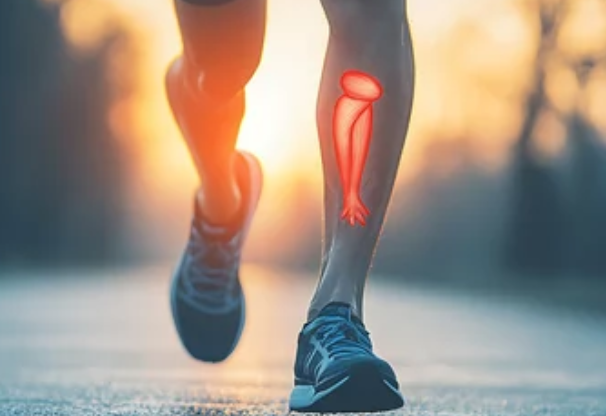
Shin Splints (Medial Tibial Stress Syndrome)
Shin splints, or medial tibial stress syndrome, are particularly common in runners due to the repetitive impact forces involved in the sport. The symptoms can vary in intensity and location, but they typically follow a recognisable pattern
Symptoms. Is this you?

Pain Location and Quality

  • Inner edge of the tibia: Pain is usually felt along the medial (inner) border of the shinbone, often in the lower two-thirds of the leg
  • Diffuse, dull ache: Initially, the pain is diffuse and aching, not pinpointed to a specific spot. This helps differentiate it from stress fractures, which are more localised
  • Tenderness to touch: The area may feel sore when pressed, especially after a run or prolonged standing 1.

Pain Timing and Progression

  • Early stages: Pain typically starts at the beginning of a run, eases as the muscles warm up, and may return after the run or the next morning 
  • Progressive worsening: As the condition worsens, pain may persist throughout the run and linger afterward, even during rest 
  • Morning stiffness: Runners often report tightness or stiffness in the lower leg when getting out of bed, especially after a hard workout 3.

Associated Symptoms

  • Mild swelling: Some runners experience visible or palpable swelling along the shinbone 
  • Redness or warmth: In more inflamed cases, the skin over the shin may appear reddened or feel warm to the touch
  • Muscle fatigue: The muscles around the shin may feel tight or fatigued, especially the tibialis anterior and posterior

Biomechanical and Functional Signs

  • Pain with dorsiflexion: Lifting the foot (dorsiflexion) or running uphill may exacerbate the pain.
  • Altered gait: Runners may unconsciously change their stride to avoid pain, which can lead to compensatory injuries elsewhere.
  • Pain with hopping or jumping: Activities that involve impact or sudden loading of the leg often reproduce symptoms 
Causes of Shin Splints

Shin splints, or medial tibial stress syndrome, are primarily caused by repetitive stress and overuse of the muscles, tendons, and bone tissue in the lower leg. This condition develops when the body is unable to adapt to increased physical demands, leading to inflammation and microtrauma.

Sudden Increase in Training Load

  • A rapid escalation in running distance, intensity, or frequency is one of the most common triggers 
  • This overloads the tibialis posterior and anterior muscles, which can’t adapt quickly enough, leading to irritation and pain

Improper Footwear

  • Wearing worn-out or unsupportive shoes can fail to absorb shock properly, increasing the load on the shinbone 
  • Shoes that don’t match your foot type (e.g., flat feet or high arches) can also contribute to poor biomechanics.

Running Surface

  • Hard surfaces like concrete or asphalt increase impact forces on the legs 
  • Uneven terrain or frequent hill running can also strain the shin muscles and tendons.

Biomechanical Abnormalities

  • Flat feet (overpronation) or high arches can alter the way forces are distributed through the leg, increasing stress on the tibia 
  • Leg length discrepancies, poor hip control, or weak core muscles can also contribute to abnormal loading patterns.

Muscle Imbalances and Weakness

  • Weakness in the hip abductors, glutes, or core can lead to compensatory overuse of the lower leg muscles 
  • Tight or weak calf and foot muscles can reduce shock absorption and increase strain on the shin.

Inadequate Recovery

  • Not allowing enough time for rest and recovery between workouts prevents the body from repairing microdamage, leading to cumulative stress 
  • This is especially true for athletes who train daily or multiple times a day without variation in intensity.

Poor Running Form

  • Overstriding, excessive heel striking, or poor posture can increase the load on the anterior shin muscles 
  • A gait analysis often reveals subtle flaws that contribute to shin splints.
Treatment For Shin Pain

Taping Techniques

Foot Taping (Low-Dye or Arch Support Taping)

  • Supports the medial longitudinal arch and reduces excessive pronation – further reducing loading on the medial shin
  • Offloads stress from the tibialis posterior and plantar fascia.

Shin Taping (Kinesiology Tape)

Applied along the tibialis anterior or posterior to:

  • Reduce muscle fatigue.
  • Improve proprioception.
  • Support soft tissue healing.

Foam Pad Taping

  • supports the irritated shin tissue similar to a ‘tennis elbow’ pad taping
  • Can be easily applied at home
  • reduces the load on the bone and soft tissues

Dry Needling and Cupping

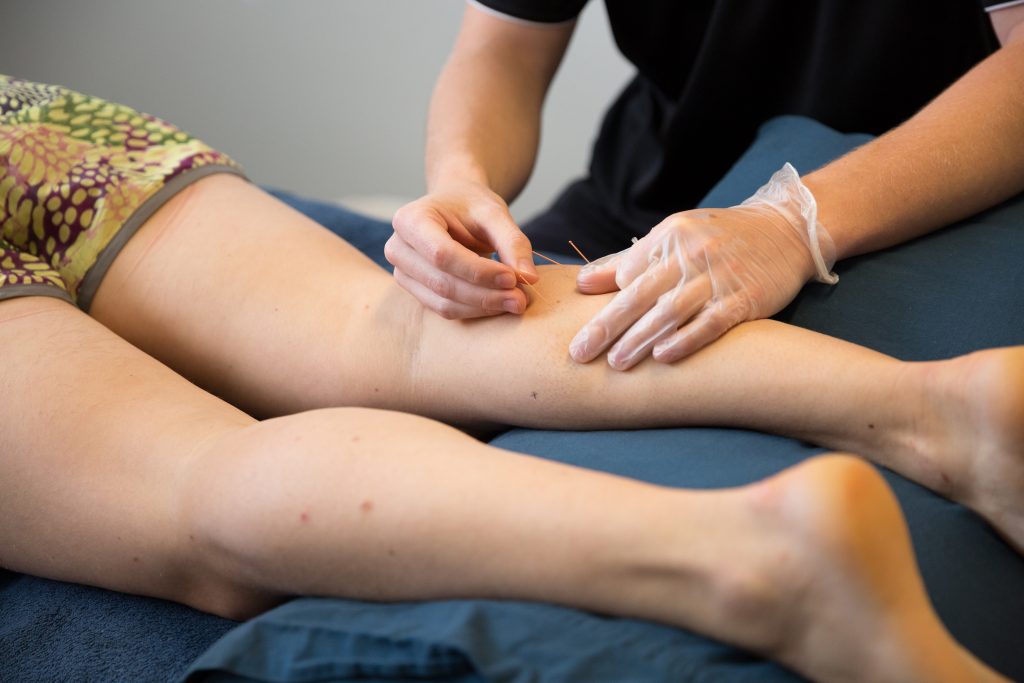
Dry Needling

  • Targets trigger points in the tibialis posterior, tibialis anterior, soleus, and gastrocnemius.
  • Reduces muscle tension and improves neuromuscular function 1.

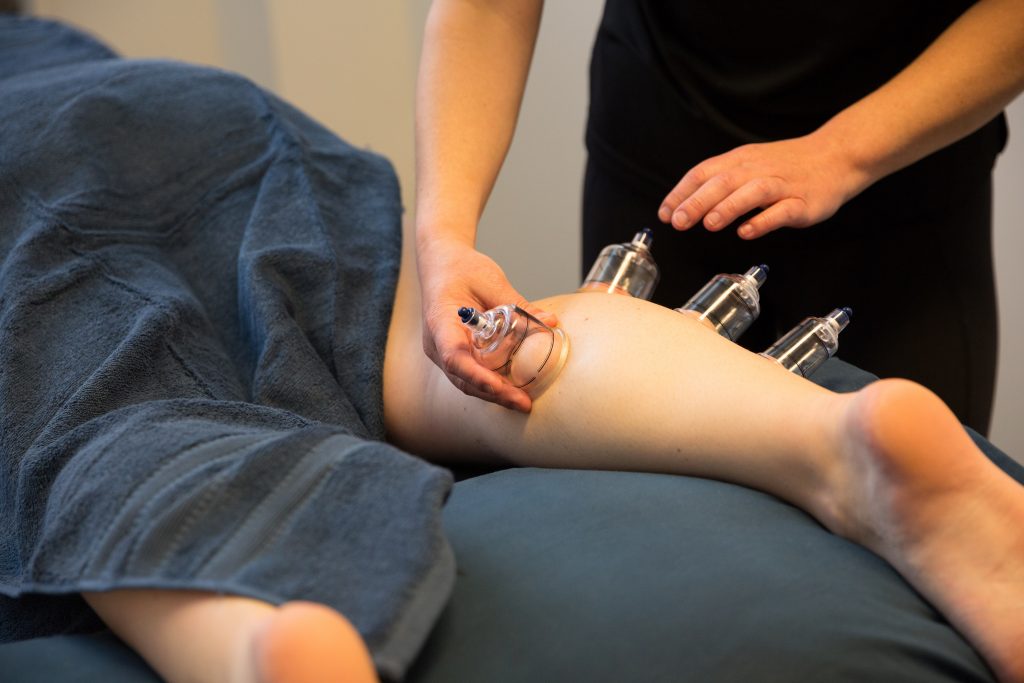
Cupping Therapy

  • Enhances blood flow and lymphatic drainage.
  • Releases fascial restrictions along the shin and calf 

Foot Mobilization

Manual mobilization of the midfoot and subtalar joints improves foot mechanics and load distribution.

  • Helps correct excessive pronation or supination, reducing strain on the tibia 

Strengthening Programs

Tibialis Posterior

  • This is essential in the mid and long term strength and injury vulnerability to this area
  • Resisted foot inversion with bands.
  • Heel raises with toes turned inward and foot arched

Balance and proprioception drills.

Calf Muscles

  • Straight-leg and bent-knee calf raises.
  • Eccentric heel drops for tendon resilience.
  • Plyometric progressions (e.g., skipping, hopping).

Intrinsic Foot Muscles

  • Short foot exercises.
  • Toe curls and marble pickups.
  • Balance board training.

Hip and Pelvic Strengthening

Weakness in the hip abductors, glutes, and core can lead to poor lower limb alignment and increased tibial stress. Key exercises include:

  • Clamshells and side-lying leg lifts and many other hip stability exercises for running.
  • Bridges and single-leg bridges.
  • Hip hikes and monster walks with resistance bands.
  • Pelvic stabilization drills to improve control during dynamic movement.

Loading Strategies

Gradual reloading is essential to restore tissue capacity and reduce the chance of recurrence:

  • Follow the 10% rule: increase weekly training volume by no more than 10%.
  • Begin with low-impact cross-training (e.g., swimming, cycling) – cross training
  • Progress to interval running, then continuous running.
  • Use pain-monitoring models to guide safe progression.

Running Gait Analysis

A professional gait assessment can identify biomechanical faults such as:

  • Overstriding or excessive heel striking.
  • Poor hip control or pelvic drop.
  • Asymmetrical loading patterns.
  • Small adjustments in cadence, foot strike, and posture can significantly reduce shin stress 

Frequently Asked Questions 

What exactly are shin splints?

Shin splints, or medial tibial stress syndrome, refer to pain along the inner edge of the shinbone (tibia). This pain results from inflammation of muscles, tendons, and bone tissue due to repetitive stress, commonly seen in runners, dancers, and military trainees 

What do shin splints feel like?

Symptoms include:

Aching or sharp pain along the shinbone.

Tenderness and mild swelling in the lower leg.

Pain that starts during activity and may persist afterward.

In advanced cases, pain may be constant and worsen with touch or movement 

What causes shin splints?

Common causes include:

Sudden increase in training intensity or volume.

Running on hard or uneven surfaces.

Poor footwear or biomechanics, such as flat feet or high arches.

Muscle imbalances or tightness, especially in the calf and foot muscles 

How are shin splints diagnosed?

Diagnosis is typically based on:

Medical history and physical examination.

Imaging (e.g., X-rays or MRI) may be used to rule out stress fractures or other conditions 

How long does it take to recover from shin splints?

Recovery time varies:

Mild cases may resolve in 2–4 weeks with rest and conservative care.

More severe cases or those involving stress fractures may take 6–12 weeks or longer 

Can I continue running with shin splints?

It’s best to pause high-impact activities until symptoms subside. You can:

Switch to low-impact exercises like swimming or cycling.

Gradually reintroduce running using a structured loading plan 

What treatments are available?

Treatment options include:

Rest, ice, and anti-inflammatory medications.

Manual therapy: massage, dry needling, cupping, and joint mobilization.

Taping techniques to support the foot and shin.

Strengthening exercises for the foot, calf, and hip muscles.

Running gait analysis to correct biomechanical faults 

How can I prevent shin splints from coming back?

Prevention strategies:

Wear supportive, sport-specific footwear.

Avoid sudden increases in training volume (follow the 10% rule).

Include strength training for the legs, hips, and core.

Use orthotics or arch supports if needed.

Get a running gait assessment to identify and correct movement issues 

Are shin splints the same as stress fractures?

No. Shin splints involve soft tissue inflammation, while stress fractures are small cracks in the bone. Untreated shin splints can progress to stress fractures, which require longer recovery and more intensive care 

Continue reading