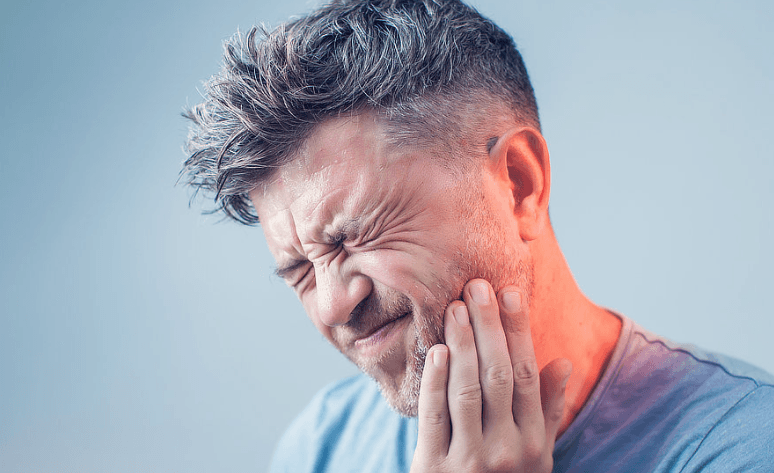
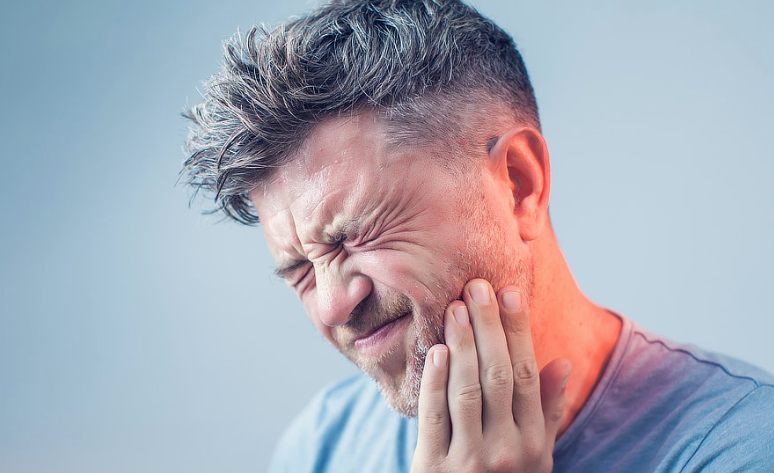
Bruxism, or jaw clenching, or teeth grinding, is characterised by excessive clenching or grinding of the teeth. It is a habitual activity performed, often unconsciously, to excess.
Ideally, our teeth shouldn't touch unless we are chewing or sometimes while swallowing. Sufferers of bruxism can in some cases experience up to a whole month's worth of wear and tear on the teeth in a single night! Luckily, there are lots of ways to prevent and manage the condition.
- Sleep Apnea – Clenching and grinding during the night can be an attempt to keep the airway open by bringing the jaw forward and locking it in place.
- Quiet Reflux – Nocturnal reflux causes us to chew, which stimulates salivary glands in the mouth to neutralise stomach acid and protect the teeth.
- Medications – Some medications, most commonly SSRIs, can include an increased risk of bruxism as a listed side effect.
- Stress – Emotional, physical and psychological stress, anxiety and depression can all be linked to increased risk of bruxism.
- Habits – Chewing gum excessively, poor tongue posture, and lip and tongue biting have been linked to bruxism.
- Posture – Poor functional posture can lead to dysfunctional forces on the TMJ and jaw.
- Lifestyle – Smoking, alcohol and caffeine, as well as recreational drugs, can raise your risk of bruxism.
- Genetics – Although not fully understood, research indicates that bruxism frequently appears in more than one member of the same household.
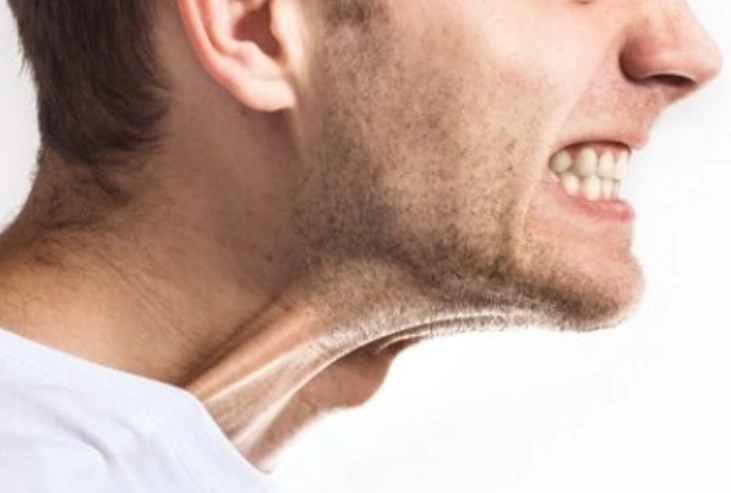
Who is affected by bruxism, jaw clenching, teeth grinding?
Bruxism affects 22.22% of the population, with 21% experiencing nocturnal bruxism and 23% awake bruxism. The condition is common in children, with 14% to 20% prevalence rates being reported, although most children will grow out of it as they approach their late teens. In adults, awake bruxism is most prevalent in women, while nocturnal bruxism is represented equally between the sexes. It's believed that these figures under-report the true prevalence of bruxism as many studies rely on self-reporting.
Symptoms and results of bruxism
- Grinding or tapping noises during sleep (usually noticed by a partner or parent).
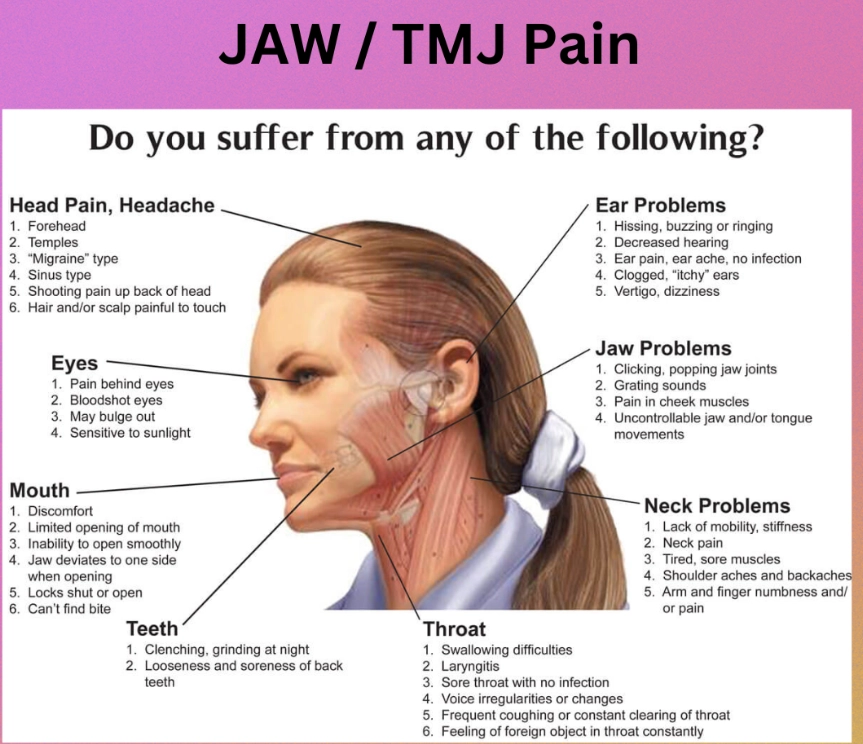
- Waking up with teeth or jaw pain.
- Pain in the jaw muscles when chewing and talking.
- Headaches.
- Neck pain (stiffness, sore muscles).
- TMJ pain (stiffness, crunching, catching).
- Ear issues (pain, buzzing, dizziness).
- Trismus (restricted mouth opening).
- A wear line in the enamel along the bottom front teeth.
- Thermal hypersensitivity.
- Development of tori (bony growth along the base of the gums).
- Scalloping of the tongue.
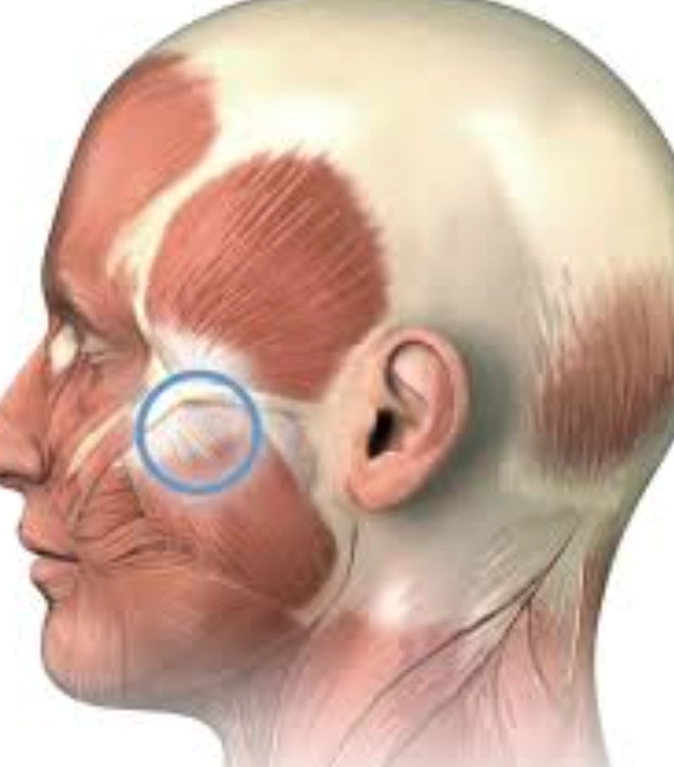
Physical changes as a result of bruxism. The first signs most people will be aware of are the consequences of sustained load on the teeth and jaw — most commonly wear of the tooth enamel, and increased activity of the muscles of your jaw. The most noticeable, and generally first to become symptomatic, is the masseter, the muscle on the sides of your jaw. Above your ears is the scallop-shaped temporalis. These two muscles will start to hypertrophy and become symptomatic if the condition is chronic and can lead to headaches and referral pain in both the head and the teeth. While many cases are minor and relatively harmless, untreated bruxism can lead to degeneration of the teeth and in some cases the TMJ.
What treatment is available
If you suspect you are bruxing, or are experiencing any symptoms related to bruxism, it's best to address it sooner than later. If you notice any change in your bite or tooth pain, reach out to your dentist. They can assess and fit you with an appliance such as a night guard if indicated. If you are experiencing muscular pain in the head or jaw, headaches or TMJ pain, then Clinic 88 can help.
How Soft Tissue Therapy can help. No two bodies are the same, and no two cases of bruxism are the same. The team at Clinic 88 can help you in many ways:
- Education on the whys and hows of your pain and tension. This includes identifying the patterns and compensations that have led to your presentation. Knowing why is half the battle!
- Postural assessment and treatment to reduce load on the spine and jaw. Looking at how your spine and jaw move tells us a lot about how your body manages gravity and the loads it experiences day to day.
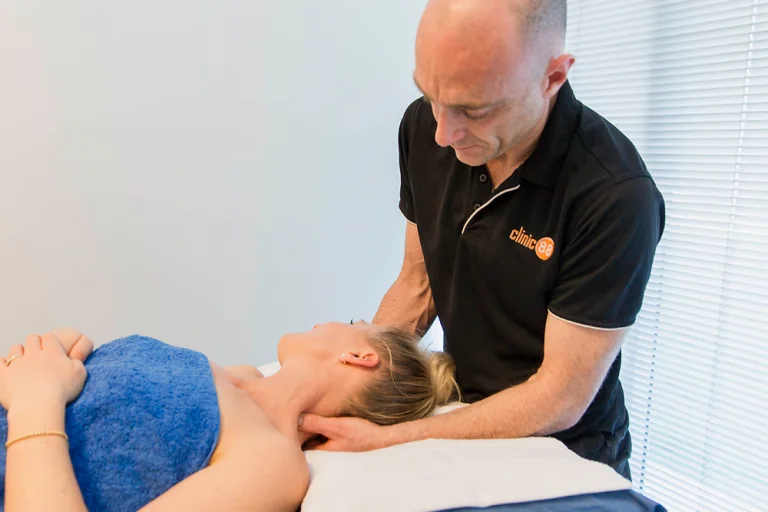
- Hands-on treatments to reduce muscular activity and encourage proper joint function. This commonly includes treatment of the spinal, neck and facial muscles as well as some gentle joint mobilisations if indicated.
- Instruction on movement and behavioural changes to help you create the best possible environment for your jaw. This can include mindfulness techniques to be aware of clenching, and nighttime stretching, breathing and self-massage routines to calm the nervous system and the muscles of the jaw.
Frequently Asked Questions
How soon will I see results? There is no one answer for every case, as some cases need dental intervention. Although with regular treatment, dedication to changing habits and consistency with home care, we usually see positive changes within 4 weeks.
Ok great my pain is gone! But what do I do if it comes back? One of the most important aspects of our treatment plan is to provide you with a robust toolkit to manage any flare-ups. Popping in for some regular maintenance and reviewing your home care plan is a recipe for success.
Do I need a night guard? Is my night guard right for me? While we can give you advice within our scope, the best thing to do is consult your dentist or orthodontist to see if an orthodontic appliance, or adjustment of your existing appliance, is suitable for you.