

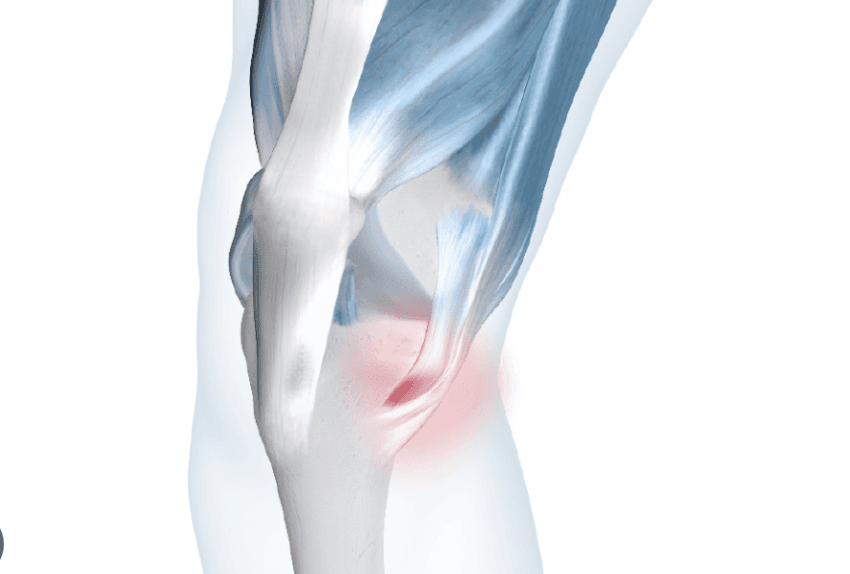

Anatomy
Pes Anserinus refers to where three muscles converge and attach to the tibia below the inner knee. These muscles—the Sartorius, Gracilis, and Semitendinosus—have separate origins and separate nerve supplies but converge about the medial knee before inserting.
The three muscles originate from different locations: the Sartorius from the anterior superior iliac spine at the front of the hip; the Gracilis from the pubic region; and the Semitendinosus from the sit bone. All three muscles are superficial and can be palpated easily, although the Gracilis is quite difficult to identify as it is quite thin.
A bursa (fluid-filled sac) lies beneath these tendons, protecting against friction between the tendons and bone.
Function
Collectively, these muscles flex the knee and resist rotational stress. Individually, the Sartorius—nicknamed the "tailor's muscle"—flexes the hip and knee while rotating the thigh outward. The Gracilis adducts the thigh, while the Semitendinosus extends the thigh and provides medial stability.
Pathologies / injury
The most common problem involves bursa inflammation. The friction between the tendons and the tibia becomes too much for the bursal tissue to handle and it fails and becomes inflamed. Running becomes painful, and rubbing worsens symptoms.
Treatment
Reduce or stop running temporarily. Because the bursa in this area is quite superficial, topical anti-inflammatories may help. Apply gel with plastic wrap overnight. Consult a practitioner before stretching, as this might worsen inflammation.
Self treatment
Use self-massage with cream rather than stretching. Work the surrounding area, focusing on tight regions. If symptoms worsen, stop and consult a professional. Cortisone may be an option for persistent Pes Anserinus bursitis, with good clinical results.
Summary
The Pes Anserinus involves three thigh muscles attaching at the inner lower knee. When friction becomes excessive, the protective bursa inflames. Seek advice before stretching, but certainly self-massage the muscles involved.