

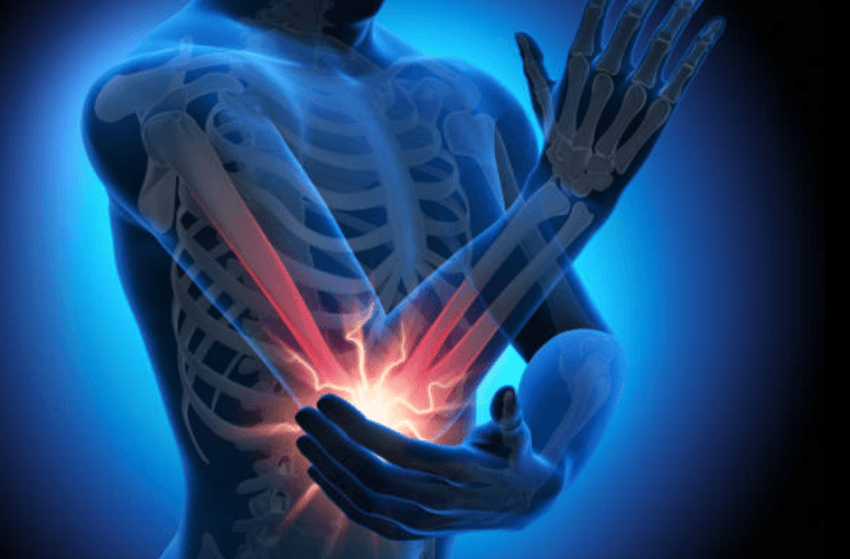

What is tennis elbow? Symptoms, nerve involvement, and treatment options
Tennis elbow, or lateral epicondylalgia or lateral epicondylitis, is a common condition that causes pain on the outside of the elbow. It's typically the result of overuse or repetitive strain on the forearm muscles and tendons, particularly those involved in wrist extension and gripping. Despite the name, tennis elbow affects far more than just tennis players—it's common among tradespeople, office workers, and anyone performing repetitive arm movements.
What causes tennis elbow?
Tennis elbow is primarily caused by microtears and degeneration in the extensor carpi radialis brevis (ECRB) tendon, which attaches to the lateral epicondyle of the humerus. Repetitive wrist and forearm movements—such as lifting, gripping, or typing—can overload this tendon, leading to pain and dysfunction.
Can the radial nerve be involved?
Yes. In some cases, symptoms of tennis elbow may be complicated by radial nerve irritation or entrapment. The radial nerve runs near the lateral elbow and can become sensitised or compressed, especially in chronic or severe cases. This may lead to:
- Pain radiating down the forearm
- Numbness or tingling in the hand or fingers
- Increased sensitivity to touch or movement
- Weakness in grip strength
A thorough physical assessment can help differentiate between tendon-related pain and nerve involvement.
Typical symptoms of tennis elbow
- Pain that radiates down the forearm toward the wrist
- Weak grip strength, especially when shaking hands or holding objects
- Stiffness in the elbow, particularly in the morning
- Pain when lifting, gripping, or twisting (e.g., turning a doorknob or opening a jar)
- Tenderness over the lateral epicondyle (bony bump on the outer elbow)
- Increased pain with wrist extension or resisted finger extension
- Discomfort when typing, using tools, or with repetitive hand motions
- Burning sensation around the elbow area
- Pain that worsens with activity and improves with rest
- Possible tingling or numbness in the forearm or hand if the radial nerve is involved
Treatment options for tennis elbow
1. Dry needling — Fine needles inserted into the affected tendon or surrounding muscles to stimulate healing and reduce pain. Particularly useful in chronic cases.
2. Soft tissue therapy — Manual techniques such as deep tissue massage, myofascial release, and cross-friction massage help reduce muscle tension and improve circulation.
3. Stretching — Targeted stretching of the wrist extensors and forearm muscles helps reduce tension on the tendon and improve flexibility.
4. Nerve mobilisation — If radial nerve involvement is suspected, nerve gliding or mobilisation exercises can help restore normal nerve movement and reduce sensitivity.
5. Taping — Kinesiology or rigid taping techniques can offload the affected tendon, reduce pain, and support functional movement during activity.
6. Strengthening exercises — Progressive loading of the forearm muscles is essential for long-term recovery, including isometric exercises in early stages, eccentric loading of the wrist extensors, and functional strengthening.
7. Advanced interventions — For persistent or severe cases, referral to a medical specialist may be appropriate for Platelet-Rich Plasma (PRP) injections or shockwave therapy.
When to seek help
If elbow pain persists for more than a few weeks or interferes with daily activities, it's important to seek professional assessment. Early intervention can prevent the condition from becoming chronic and reduce the risk of nerve involvement.
Our experienced therapists can assess your condition and create a personalised treatment plan to help you recover and return to the activities you enjoy.
Frequently Asked Questions
1. Do I need to play tennis to get tennis elbow? No. It can affect anyone who performs repetitive wrist or forearm movements—tradespeople, office workers, or gym-goers.
2. How do I know if the radial nerve is involved? If your symptoms include tingling, numbness, or pain that radiates down the forearm or into the hand, the radial nerve may be irritated. Our therapists can assess this through specific clinical tests.
3. How long does it take to recover from tennis elbow? Recovery time varies. Mild cases may improve within a few weeks, while chronic cases can take several months.
4. Is dry needling painful? Dry needling may cause a brief twitch or ache during treatment, but patients tolerate it well.
5. Can I still work or exercise with tennis elbow? Yes, but you may need to modify your activities. There are tennis elbow braces that reduce the load on the lateral elbow.
6. What if conservative treatment doesn't work? If symptoms persist after several months, your therapist or GP may refer you for PRP injections or shockwave therapy.
7. Will I need surgery? Surgery is rarely required and typically considered only after 6–12 months of unsuccessful conservative treatment.
8. Can tennis elbow go away on its own? Mild cases may improve with rest and activity modification. Without proper treatment, symptoms can persist or worsen.
9. Is imaging (like an MRI or ultrasound) needed to diagnose tennis elbow? In most cases it is diagnosed through physical examination and patient history. Imaging may be used if symptoms are severe or another condition is suspected.
10. What's the difference between tennis elbow and golfer's elbow? Tennis elbow affects the outside of the elbow (lateral epicondyle), while golfer's elbow affects the inside (medial epicondyle).
11. Can I prevent tennis elbow from coming back? Yes — strengthen forearm muscles, improve ergonomics, use proper technique and equipment, and take regular breaks from repetitive tasks.
12. Is cortisone injection a good option? Corticosteroid injections may provide short-term relief, but studies show they may not be effective long-term and could delay tendon healing.
13. What is PRP and how does it help? Platelet-Rich Plasma therapy involves injecting a concentration of your own platelets into the affected tendon to promote healing.
14. How does shockwave therapy work? Shockwave therapy uses acoustic waves to stimulate blood flow and tissue regeneration in the affected tendon.
15. What age group is most affected by tennis elbow? Most commonly adults between 40 and 60, but it can occur at any age.
16. Is tennis elbow the same as tendinitis? Not exactly. Research now shows it's more often a degenerative condition called tendinosis.
17. Can tennis elbow affect both arms? Yes, although it usually affects the dominant arm.
18. How is tennis elbow diagnosed? Through physical examination and patient history; imaging in persistent or unclear cases.
19. Can I use a brace or strap for tennis elbow? Yes. A counterforce brace or forearm strap can help reduce strain on the tendon during activity.
20. What happens if tennis elbow is left untreated? Symptoms may persist or worsen; chronic cases can lead to tendon degeneration and reduced grip strength.
21. Can sleeping positions affect tennis elbow? Yes. Sleeping with your arm bent or under your head can increase pressure on the elbow.